

Why a Gas Safe Heating Engineer is a Legal Requirement
Gas engineers can assist in diagnosing boiler issues. They work on many different appliances. They should be able identify and resolve any issues swiftly.
Gas Safe heating engineers are vital to the security of your home since they can reduce the chance of carbon monoxide poisoning as well as gas leaks. This is the reason that most insurance policies for homes require gas-related work to be carried out by an engineer who is registered.
Qualifications
A qualified heating engineer is a fantastic option for those looking to work with heating or gas appliances. This role is suitable for people of any age, whether they're just leaving school to begin their apprenticeship or change careers after middle age. This job requires an Gas Safe registration and an industry-specific qualification. This is required to safeguard the public from engineers that are not qualified and unsafe working with gas appliances.
There are many methods to become a certified heating engineer. However it is crucial that you meet all prerequisites. This includes having a good level of technical understanding, and being good at solving problems. A person must also be able to follow instructions precisely and be flexible in their approach to work. The ability to work well under pressure and meet deadlines is important.
Once an engineer has completed the appropriate training, they will be issued with an accreditation certificate. This certificate allows the engineer to work on domestic and commercial appliances. It must be renewed every 5 years. corgi gas registered engineer have to keep and submit records of their work. These must be approved by Gas Safe.
A Gas Safe registered engineer will have a photo ID card that is the most important document that proves they are genuine and competent to work on gas appliances. The card lists the individual's name, photograph and Gas Safe registration number. corgi gas safe engineers includes any other qualifications and training that they have, such as CCN1 (core gas safety) CENWAT 1 (Central Heating Boilers), CKR 1 (Domestic Cookers) and MET 1 (Metering) or HTR 1 (Gas Wall Heaters and Fires).
Verify the Gas Safe registration number of an engineer before booking them. You can do this by going to the Gas Safe site and entering their details. The website will also provide you with any other information that you require about the engineer. It is essential to select a fully-qualified engineer, as the absence of this could lead to serious consequences for you and your property.
Checking an engineer's Gas Safe status
It is important that you employ a certified engineer to perform any gas work, whether you're a home owner or landlord, or a business owner. This is because inexperienced engineers could cause serious harm or death through faulty work. Insecure gas work could result in carbon monoxide poisoning and gas leaks, as well as faulty central heating systems.
There are several ways to verify an engineer's Gas Safe status. You can request their ID card, which details their qualifications and certifications. The front of the ID card has an image of an engineer, along with the name of their business and their Gas Safe registration number. It also shows the dates of their expiry and start dates (engineers are issued new cards every year). The back of the card lists the different categories of work they are certified to undertake, e.g. domestic or non-domestic appliances as well as the kinds of gas-related work they are qualified to perform.
After any work is completed at your business or home premises, you should ask the engineer to complete an CP12 Gas Safety Record. The CP12 is an official document that proves that all of your gas appliances were inspected by a Gas Safe engineer who is competent and safe to use.
A good sign that an engineer is Gas Safe registered is if they are willing to show their gas safety card and provide their personal details when asked. If they are reluctant or evasive, or refuse to provide this information They are most likely not a Gas Safe engineer. They are not allowed to carry out any gas work on your property.
Additionally you should also look for an Gas Safe registered engineer who is professional when visiting your home. Signs of a lack of professionalism include a sloppy attitude, an inability to communicate clearly, and the absence of tools. If an engineer is hesitant to give an estimate or written agreement and insists on cash payments without receipts, it is a further indication that they are not to be trusted with your safety.
Checking the engineer's credentials
If you're looking for an engineer to repair your boiler, it's important to make sure they are Gas Safe registered. This is a legal requirement in the UK and if a person promises to do gas work without being registered on this register, they are in violation of the law and could put you and your family members at risk of poisoning by carbon monoxide.
The primary reason to confirm the engineer's credentials is to avoid poor work that could lead to expensive repairs and replacements. However, it is important to examine their credentials and experience to ensure they have the skills to complete the task. To locate an engineer in your area, go to the Gas Safe Register website and enter your postcode or city name. It's also worth checking if the engineer is a registered photo ID and whether it's a valid card with security hologram.
In addition to being registered with the Gas Safe Register, an engineer should be fully qualified in plumbing and heating. In fact, they should have minimum NVQ level 2 in both fields. They should also be capable of reading and understanding technical specifications and engineering drawings.
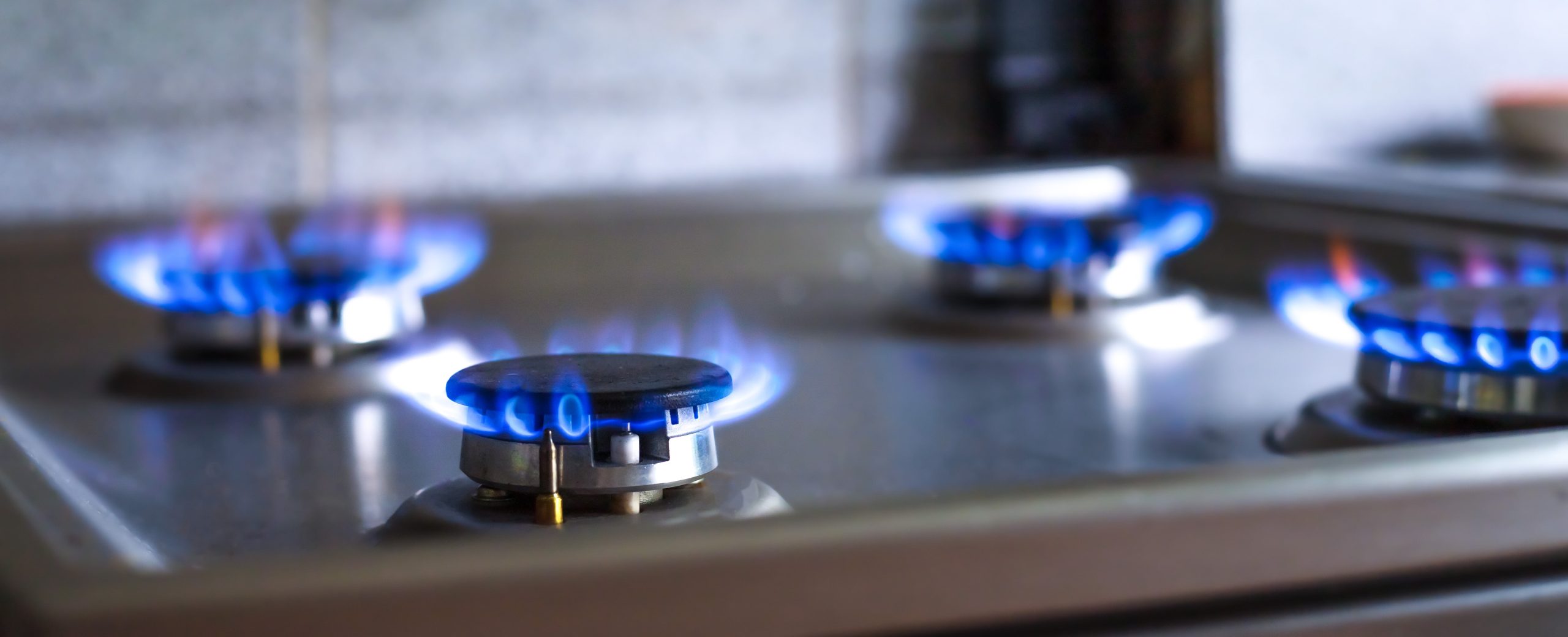
Compare quotes from various engineers and choose one that offers a comprehensive service that includes all the parts and labor. This will allow you to ensure that the cost you pay is fair and reasonable and that you are getting the most price for your money.
Another thing to take into consideration is if the engineer has a fixed rate for certain jobs. Customers can benefit from this service since it lets them know exactly what they will be paying for. This is particularly helpful for larger projects such as the installation of a new boiler or carrying out an annual maintenance check.
A career as a Gas Safe heating engineer can be extremely rewarding. According to the job site Reed the median salary for this profession is PS34,223. This is a very competitive pay, and it could be quite lucrative if proficient in your work. It's also a flexible job that allows you to work at times that are suited to your schedule.
Request references
Gas Safe registered heating engineer are a vital part of the industry as they ensure that industrial heating solutions adhere to all safety protocols. Their strict adherence to these guidelines is essential for the security of both property and people which makes them an essential part of the process. It is, therefore, even more crucial to verify their registration prior to hiring them. Fortunately, this can be done relatively quickly by looking up their Gas Safe ID card.
You should also confirm if they are insured. This will safeguard you in the case of an accident occurring while they work at your site. This is particularly crucial if your home is home to pets or children.
It's not a problem to find a reliable gas engineer. The best method to do this is by asking for recommendations from friends and family members. If this isn't possible it is possible to look online for reviews and testimonials from previous clients. This will allow you to narrow your options and select the best option to meet your needs.
It's an excellent idea to inquire about the background of the engineer. You should choose an engineer with at least two years' experience. This will enable them to be acquainted with a variety of issues and the best method to tackle them. Experience means that the engineer will be more prepared to handle any problems that may occur.
It is important to remember that plumbing and heating systems are two distinct things. Plumbing issues are typically handled by plumbers, whereas those that involve gas appliances and other heating systems are usually handled heating engineers. This is why it's crucial to be aware of the distinction between these two kinds of professionals to avoid any confusion in the future.
It's also important to find out how much the gas engineer will charge you for their services. Most reputable heating engineers do not require an advance payment and instead wait until your job is complete before sending you an invoice. This will motivate them to complete the task quickly and prevent them from taking your money.